
Psychobiotics for Mental Health
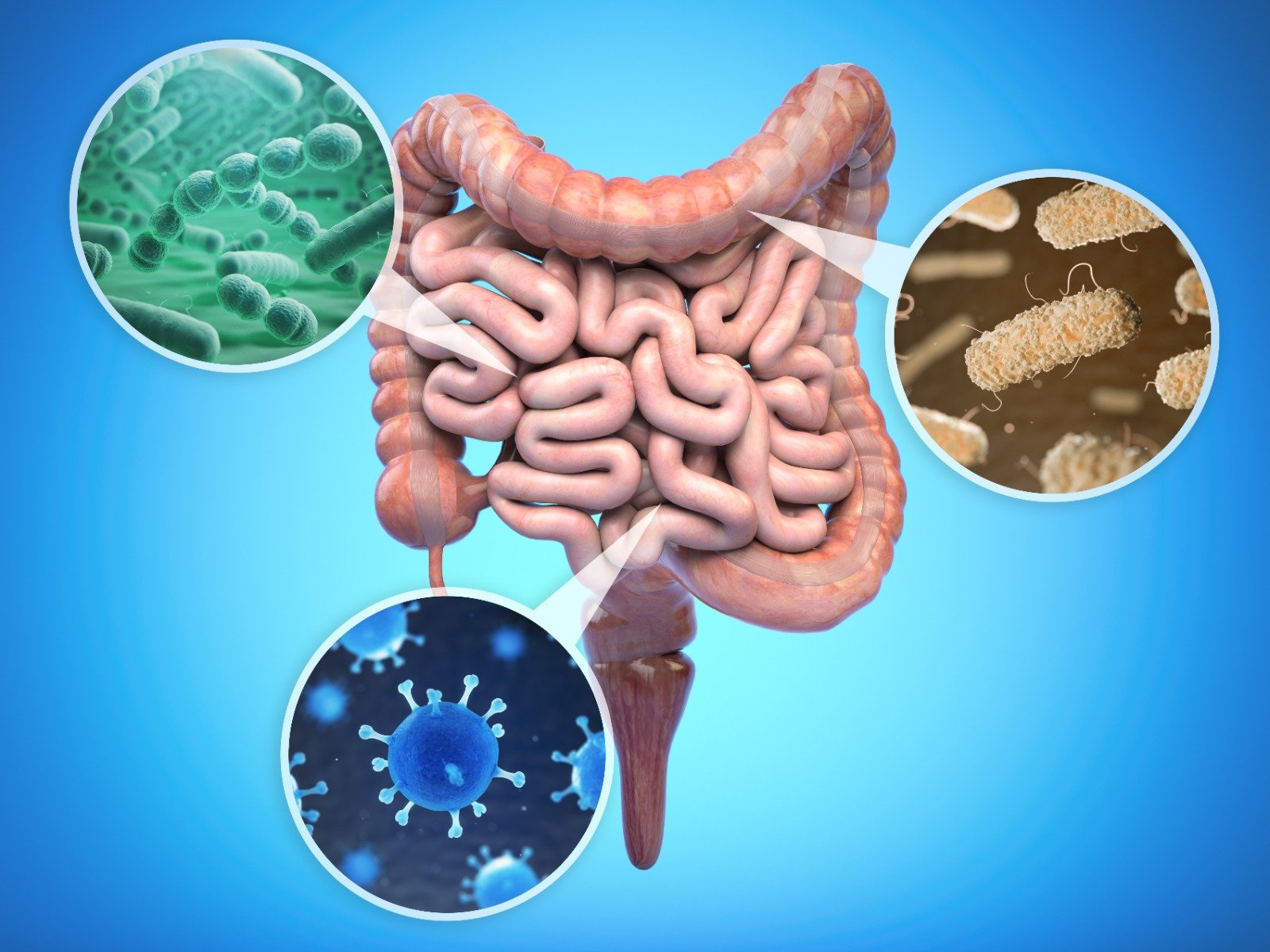
When it comes to mental health, most people think of therapy, medication, or lifestyle changes. But what if the key to a happier, calmer mind is actually found in your gut? Enter the world of psychobiotics—a new class of probiotics that may help improve mental health by positively influencing the gut-brain connection. Let’s explore how psychobiotics work, what the science says, and how they might help in managing conditions like anxiety, depression, and stress.
What Are Psychobiotics?
The term psychobiotics was first introduced in 2013 and refers to live microorganisms (probiotics) or prebiotics that, when consumed in adequate amounts, confer mental health benefits by interacting with the gut-brain axis. Unlike regular probiotics that mainly support digestion, psychobiotics target the nervous system, impacting neurotransmitters, inflammation, and stress response—all of which play a role in your mental and emotional well-being.
How Do Psychobiotics Affect the Brain?
Psychobiotics support mental health through several mechanisms:
- Neurotransmitter Production: Certain gut bacteria can produce mood-regulating neurotransmitters, such as Serotonin (the “happy hormone”), Dopamine (related to motivation and pleasure), and GABA (a calming chemical that reduces anxiety). Since about 90% of serotonin is made in the gut, maintaining a healthy microbiome is crucial.
- Lowering Inflammation: An imbalanced gut can trigger chronic inflammation, which is closely linked to depression and anxiety. Psychobiotics help restore balance and reduce inflammatory markers that may affect brain health.
- Reducing Stress Hormones: Some strains of probiotics have been shown to reduce levels of cortisol, the body’s primary stress hormone. Lower cortisol means better stress management and improved mood.
- Strengthening the Gut-Brain Axis: The vagus nerve, which connects the gut to the brain, acts as a communication superhighway. Psychobiotics influence vagus nerve signaling, which can affect how we experience emotions and respond to stress.
What Does the Research Say?
Several studies have explored the connection between psychobiotics and mental health:
- A 2017 study in Frontiers in Aging Neuroscience found that probiotic supplementation reduced depression scores in people with mild to moderate depression.
- In another trial, participants who took Lactobacillus and Bifidobacterium strains for 30 days reported lower levels of stress and anxiety.
- Preclinical studies on animals show that gut bacteria can directly alter brain chemistry, affecting emotional behavior.
While more large-scale human trials are needed, early evidence is promising.
Common Psychobiotic Strains
Here are some of the most researched psychobiotic strains:
- Lactobacillus helveticus
- Bifidobacterium longum
- Lactobacillus rhamnosus
- Bifidobacterium bifidum
These strains are often found in high-quality probiotic supplements or fermented foods like yogurt, kefir, sauerkraut, and kimchi.
Should You Try Psychobiotics?
If you’re dealing with chronic stress, anxiety, low mood, or even mild depression, psychobiotics may offer a gentle, natural way to support your mental health. However, they’re not a replacement for therapy or prescribed medication—think of them as a supportive addition to your wellness routine.
Final Thoughts
Psychobiotics represent an exciting frontier in mental health care. As we continue to learn more about the gut-brain connection, it’s clear that taking care of your gut may be one of the best things you can do for your mind.